for runners and walkers with parkinson’s

Training that knows what an off day actually means.

Pacekeeper is a run-and-walk practice for the body with Parkinson’s — calibrated to your prescribed cadence, paced by today’s state, written down so your neurologist can read it in two minutes.


Inspired bySPARX2 (JAMA Neurology, 2018)Pedaling for Parkinson’sLSVT BIG

tuesday · 6:42am · today’s state: fluid

What today’s practice reads.

My neurologist asks how I’m feeling. I say I don’t know. The run knows. I just need to give him the run.

composite voice·24 runners & walkers with PD · interviewed·Jan–Apr 2026

Three sentences. If any of them are yours, Pacekeeper is yours.

  1. 01

    For the runner who’s been

    told to slow down.

    and decided otherwise. Pacekeeper reads the body the SPARX2 trial taught us to train — not the body that’s expected to retreat.

  2. 02

    For the neurologist with a

    15-minute slot and one chart.

    to update. The quarterly Pacekeeper page lands in the chart the same way a lab result does. The conversation can be the conversation.

  3. 03

    For the morning your

    hands won’t unscrew the lid.

    — and you don’t need a coach who tells you to push through. Six seconds. Today’s state. Today’s practice. That’s the whole loop.
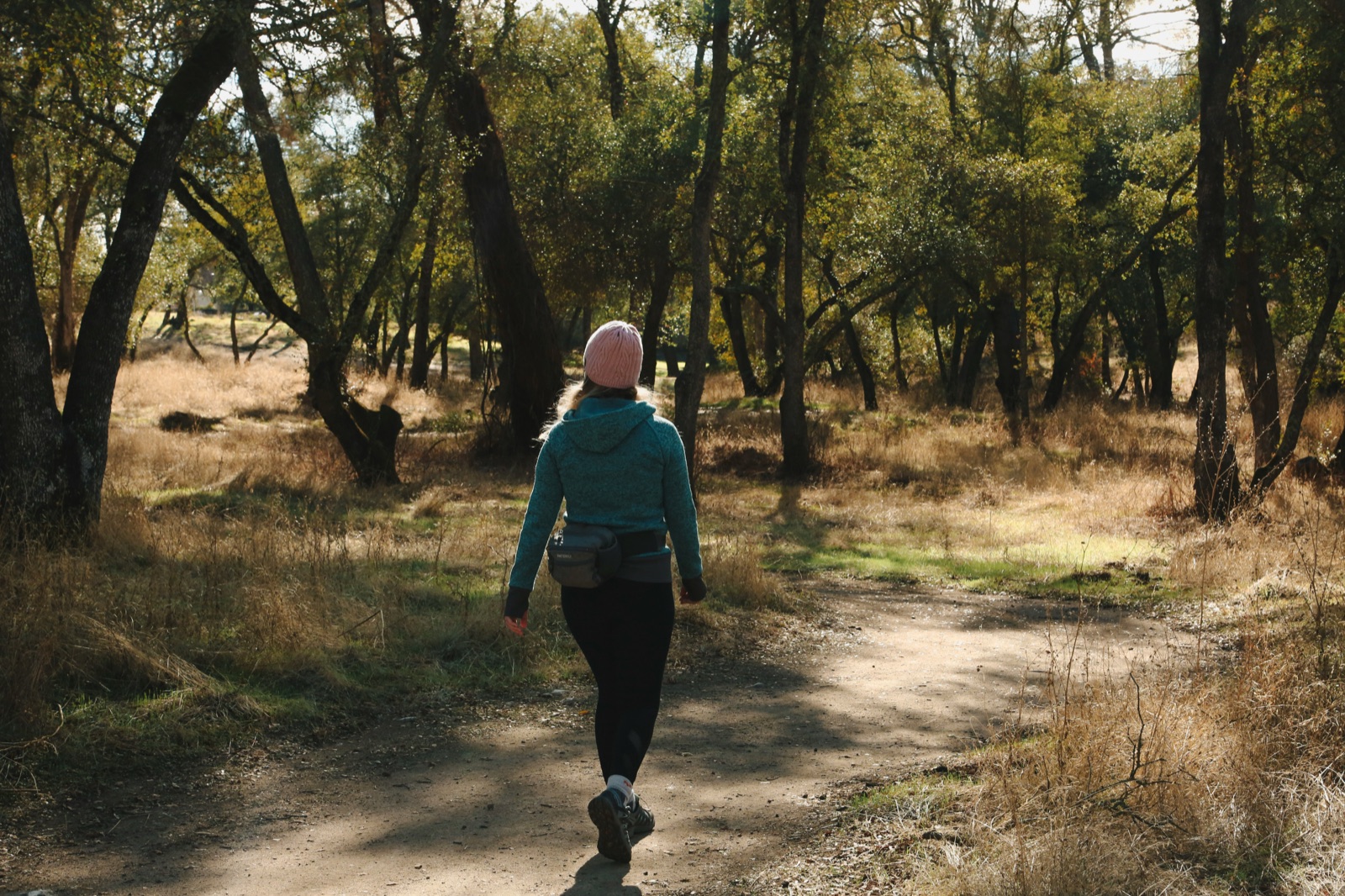
A runner-and-walker on a sun-dappled woodland path, mid-stride at a walking pace

A practice you can keep — runners and walkers both.

Three artifacts. One practice carried from your morning to your neurologist’s desk.

the six seconds before the run

Tell us today, before the day tells you.

Four buttons. One sentence: your state, not your day. Designed for hands that don’t always cooperate — large tap targets, PD-vocabulary, no rating scales pretending to be neutral.

Today’s answer shapes today’s run. Tomorrow’s answer shapes tomorrow’s. Pacekeeper never overrides your medication schedule. It just reads it.

  • Built with movement-disorder PTs
  • On / off / foggy / fluid · the vocabulary you already use
  • Logged for the quarterly report. Never published.

the run, written down

Four intervals at 117 bpm. Walk between, like the trial said.

The SPARX2 trial showed that forced-exercise at a specific cadence delayed symptom progression for runners with PD. Pacekeeper reads your morning state and shapes that framework into the practice your body can sustain today.

Print it. Pin it to the fridge. Walk out the door knowing what you agreed to do. Come back and write a sentence at the bottom. We’ll keep the rest.

  • SPARX2 framework · JAMA Neurology 2018
  • Target band 110–124 bpm · personalized in week one
  • Printable · readable · refundable

the page the neurologist actually reads

Fifteen minutes you booked. Ninety seconds to read your last quarter.

The metrics movement-disorder specialists already grade you on — sessions completed, average cadence, MDS-UPDRS-III self-report, ON-time per day. One band, one page.

Below it, the page they’ve never seen before: your state diary, ninety days at a glance. The conversation stops being a translation exercise and starts being a clinical one.

  • PDF/A-3 · faxable · long-livable
  • Signature line · neurologist co-signs at appointment
  • Yours always. Never sold, never shared.
JAMA NeurologyDavis Phinney FoundationPedaling for Parkinson’sLSVT BIGExperimental Brain ResearchTracksmith METERParkinson’s News TodayJAMA NeurologyDavis Phinney FoundationPedaling for Parkinson’sLSVT BIGExperimental Brain ResearchTracksmith METERParkinson’s News Today

“In the SPARX2 trial, participants who exercised at a high cadence (≥80% HRmax) experienced slower MDS-UPDRS motor score progression at six months.” Schenkman, Moore, Kohrt, et al. · JAMA Neurology · 75(2):219–226 (2018)

Dear runner,

We are runners. Each of us has used running to address something happening in our own bodies. Different conditions; the same medicine. When we read the SPARX2 trial on forced-cadence training for Parkinson’s, we recognized the pattern.

The framework was already there. The product wasn’t.

A letter to the runner with Parkinson’s

We built this for the body that’s already running.

Each of us has used running to address something happening in our own bodies. Different conditions; the same medicine.

When we came across the SPARX2 research on cadence training for Parkinson’s — the strongest evidence-backed exercise prescription published for any neurological condition — we recognized the pattern. The same intervention that worked for each of us at lower intensity, in different contexts, was already being studied as a treatment for people with PD.

We don’t have Parkinson’s. We aren’t pretending to. We built Pacekeeper with movement-disorder PTs, in conversation with runners in the PD community, and inspired by the work researchers at Stanford, Northwestern, and Cleveland Clinic have already published.

Pacekeeper is for the runners and walkers who already know exercise is part of their treatment.

— Leland & JoeFounders of Pacekeeper

Pacekeeper · Wilmington, Delaware · May 2026

One email, the day we open.

Pacekeeper is in private development. Leave an email and we’ll write you once — when private beta opens for runners and walkers with Parkinson’s.

Five questions worth answering.

Is Pacekeeper a medical device?
No. Pacekeeper is a documentation and training practice — a log, a prescribed cadence, and a companion. Operates under FDA General Wellness guidance (2019). Your neurologist interprets the data.
What does Pacekeeper actually do?
Three things. It prescribes an adaptive run/walk plan calibrated to your individually-targeted cadence (typically 105–130 bpm, per the SPARX2 protocol). It surfaces that cadence during each session with an optional metronome cue. And it produces a one-page report your neurologist can read in two minutes.
What stage of Parkinson's does Pacekeeper work for?
Designed for runners and walkers in early-to-mid-stage PD — anyone who can complete a continuous 10-minute walk without assistance. The plan flexes by your on/off state, not by a one-size-fits-all ramp.
What devices does Pacekeeper pair with?
Apple Watch and Garmin for sensor input. Exports to Strava, Apple Health, and Google Fit so your existing record stays unified.
What happens to my health data?
Yours, always. Pacekeeper never sells, licenses, or shares your data without your written consent. Export anytime. See the privacy notice.